
Last updated August 26, 2026
Free on-site gate assessment - hinges, posts, and your LiftMaster or Nice gate operator checked before anything is quoted
The assessment is free and the quote is the invoice.
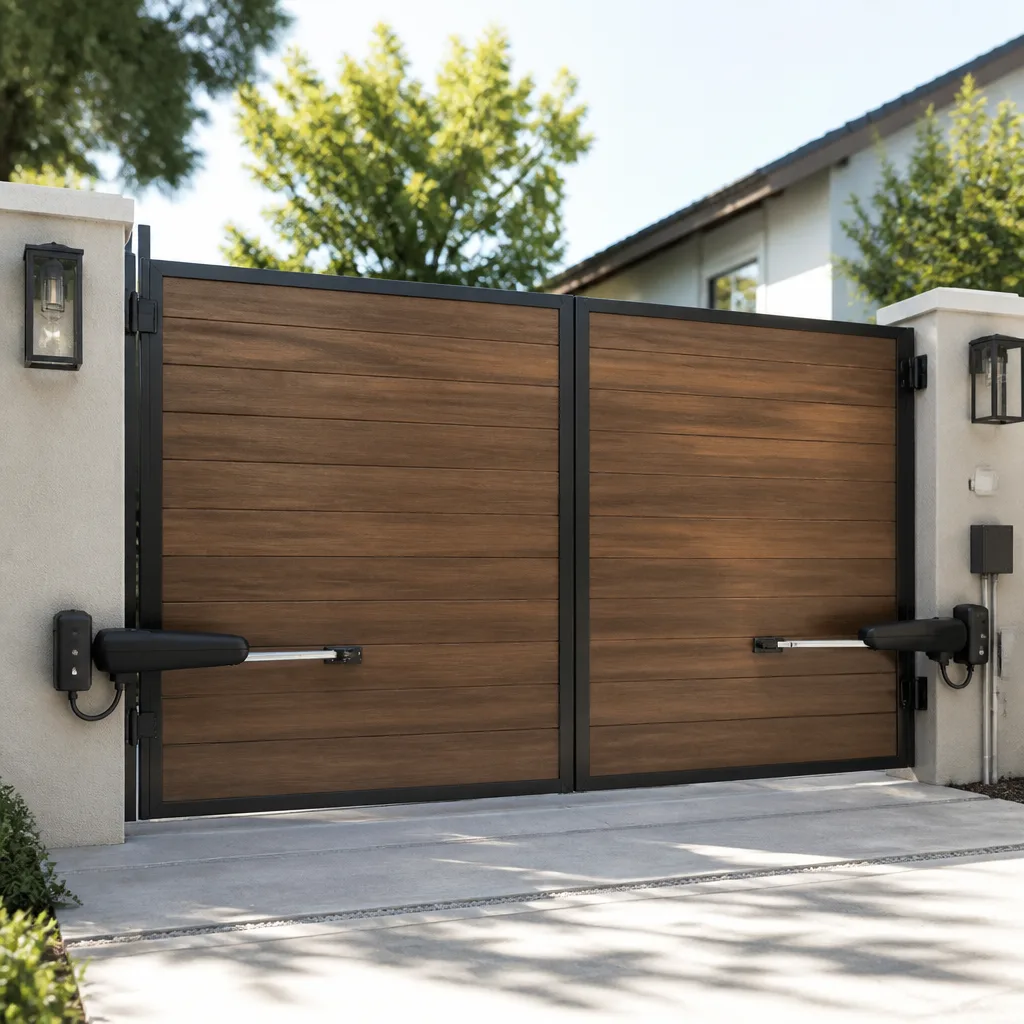
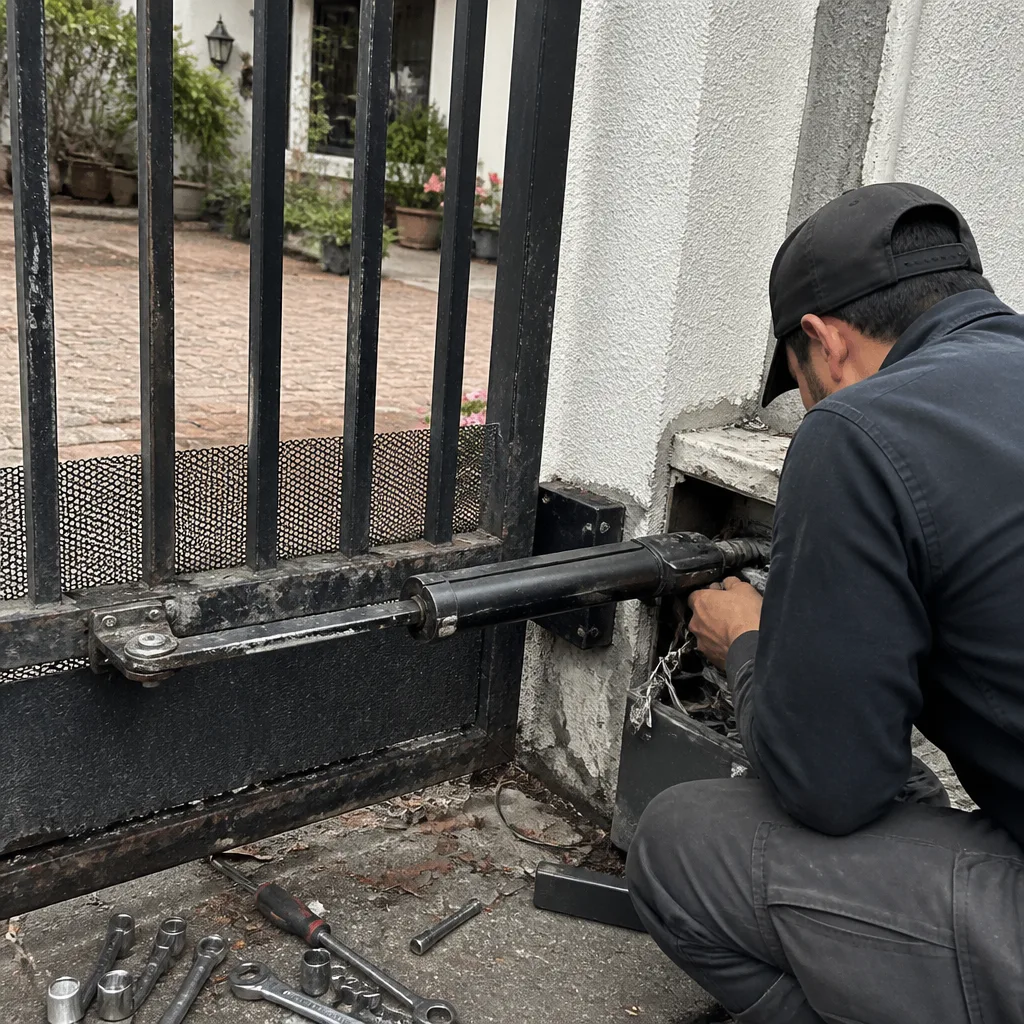 Before
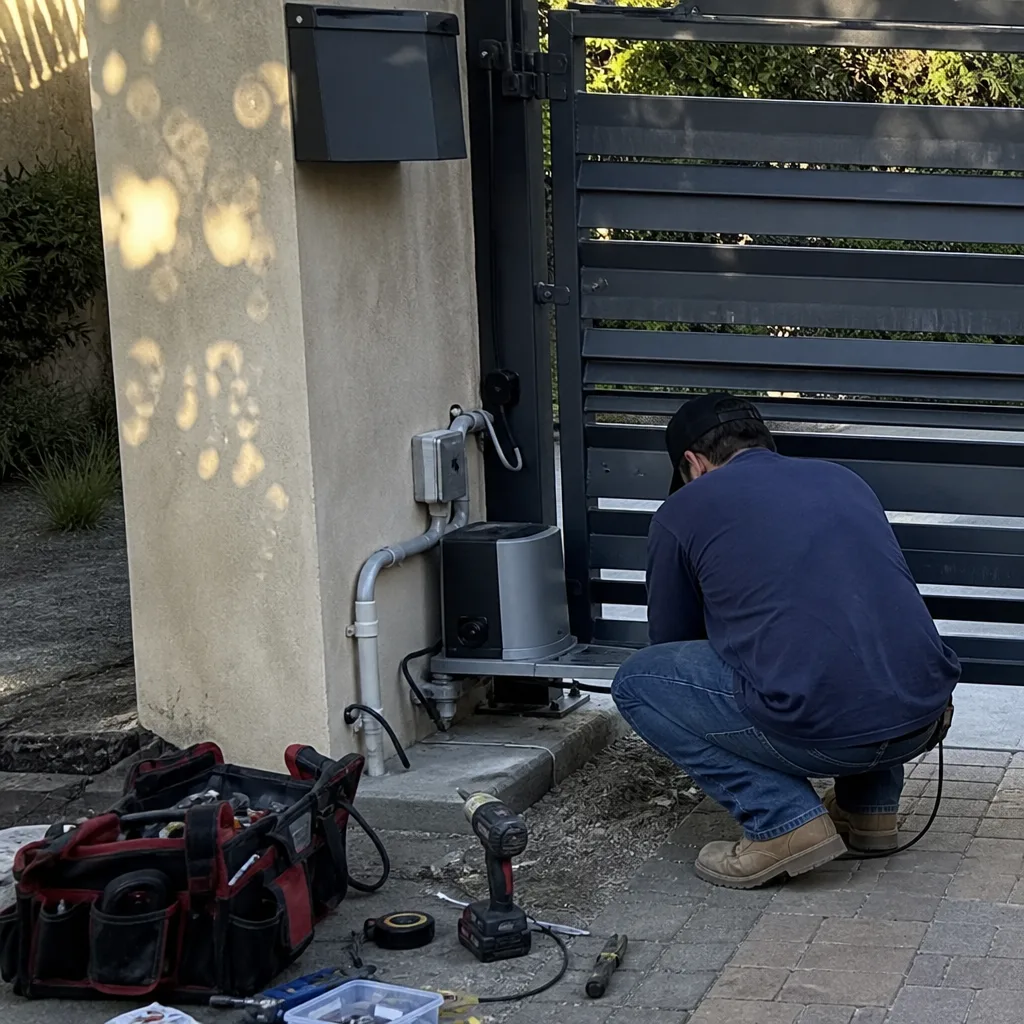 After
After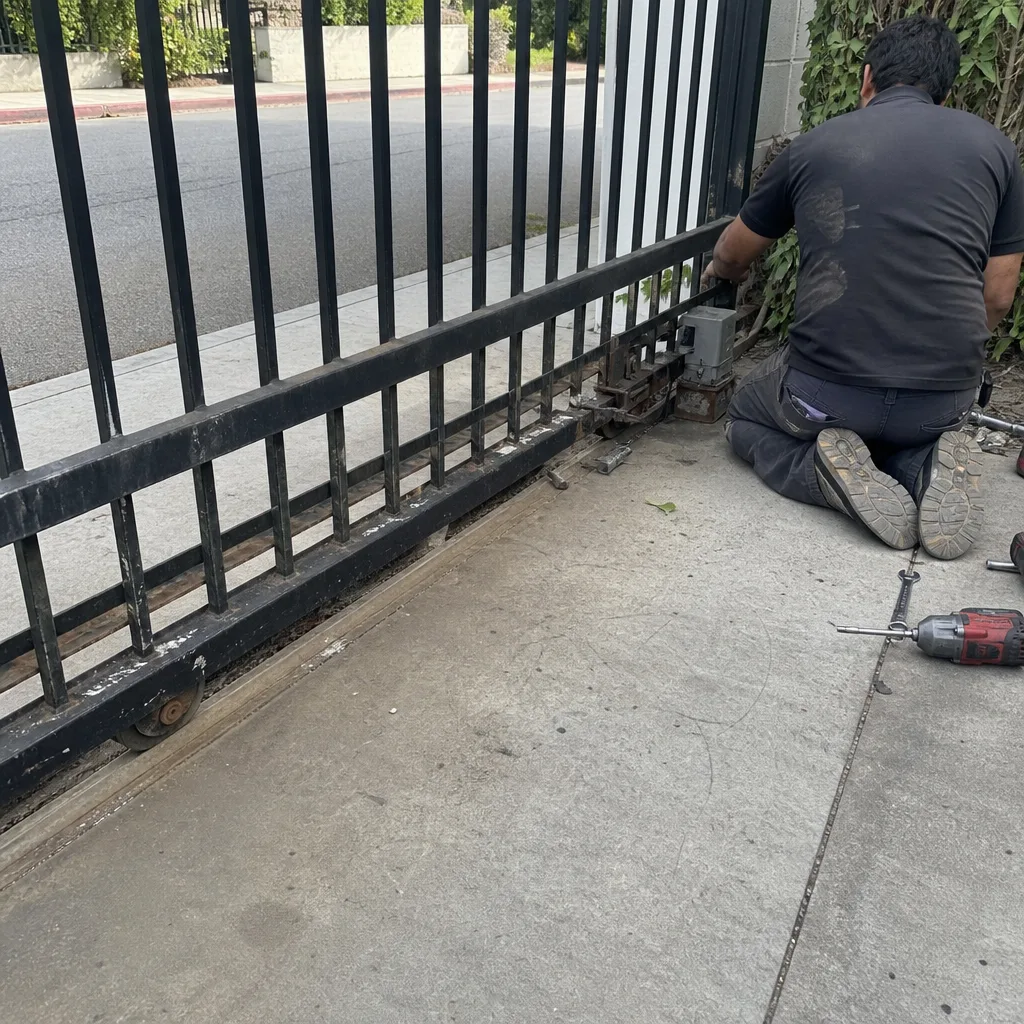 Before
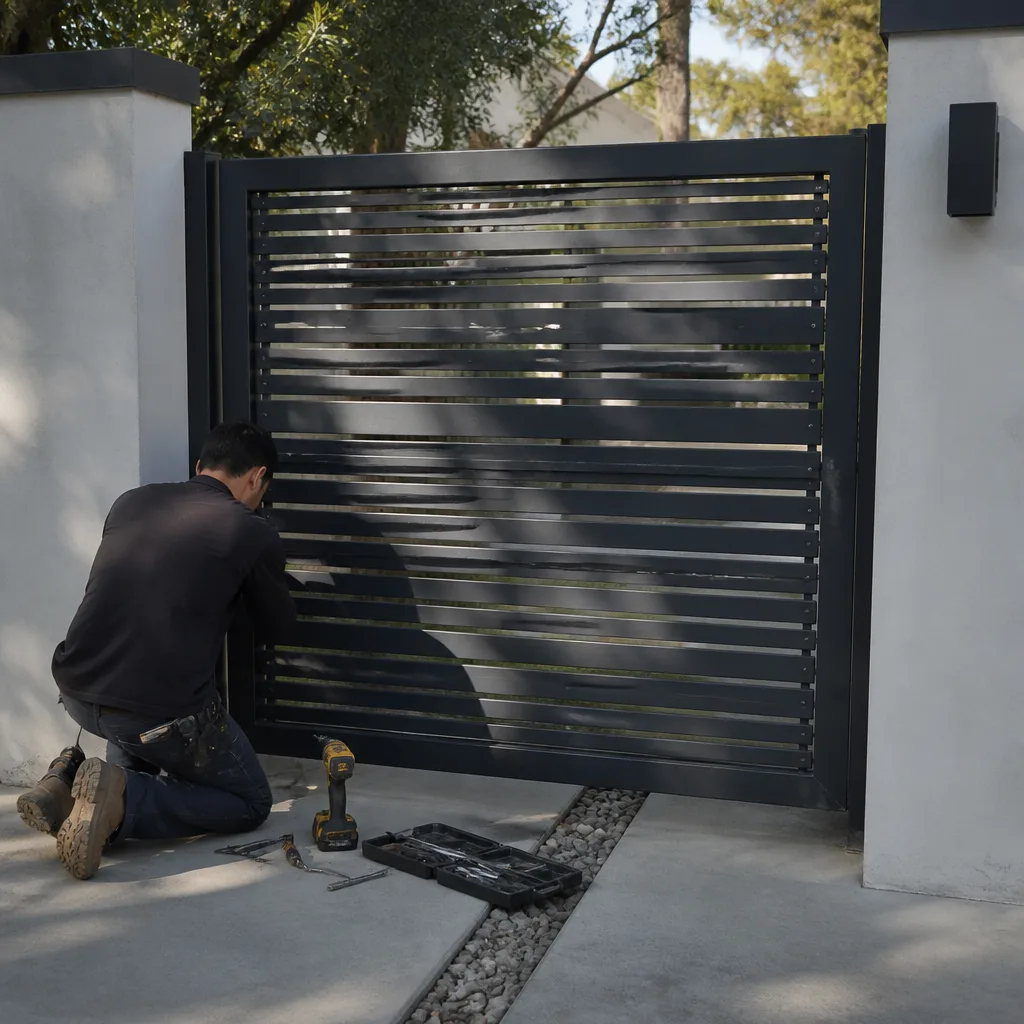 After
After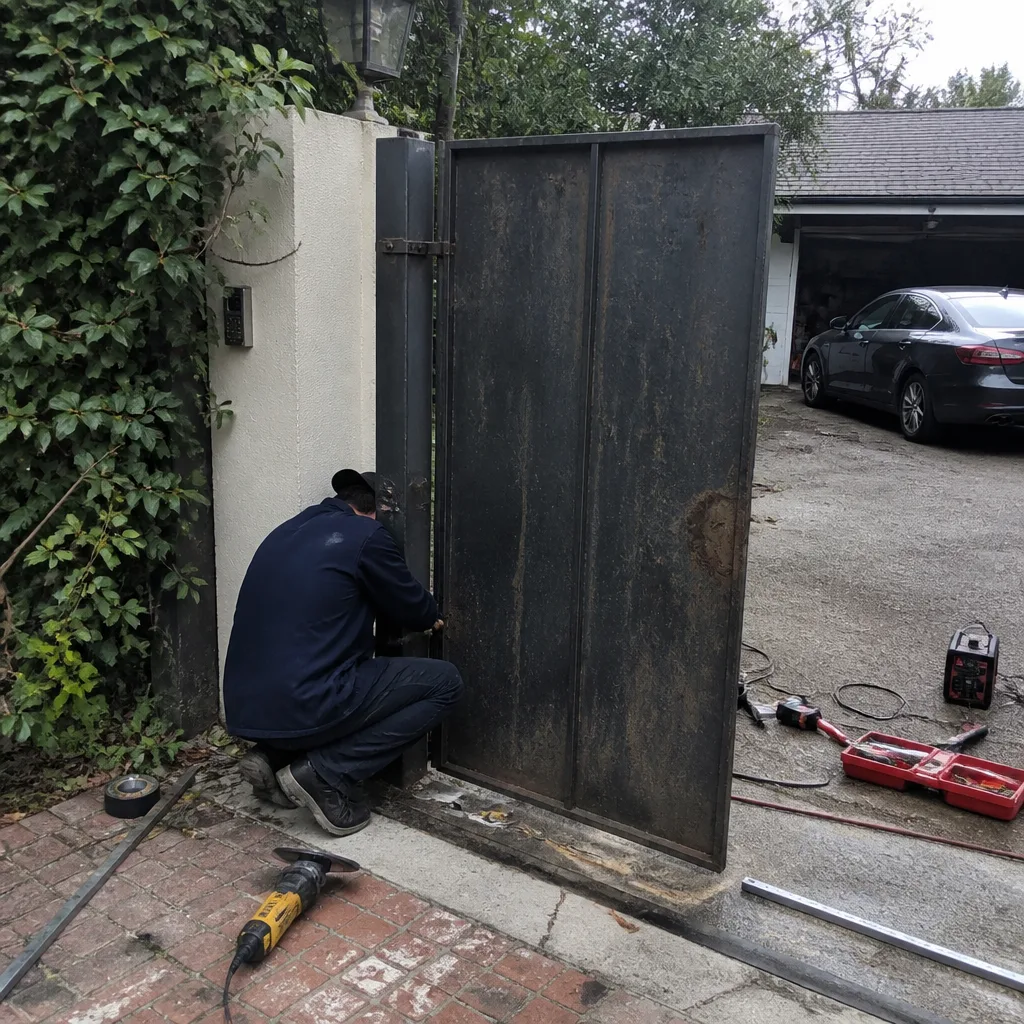 Before
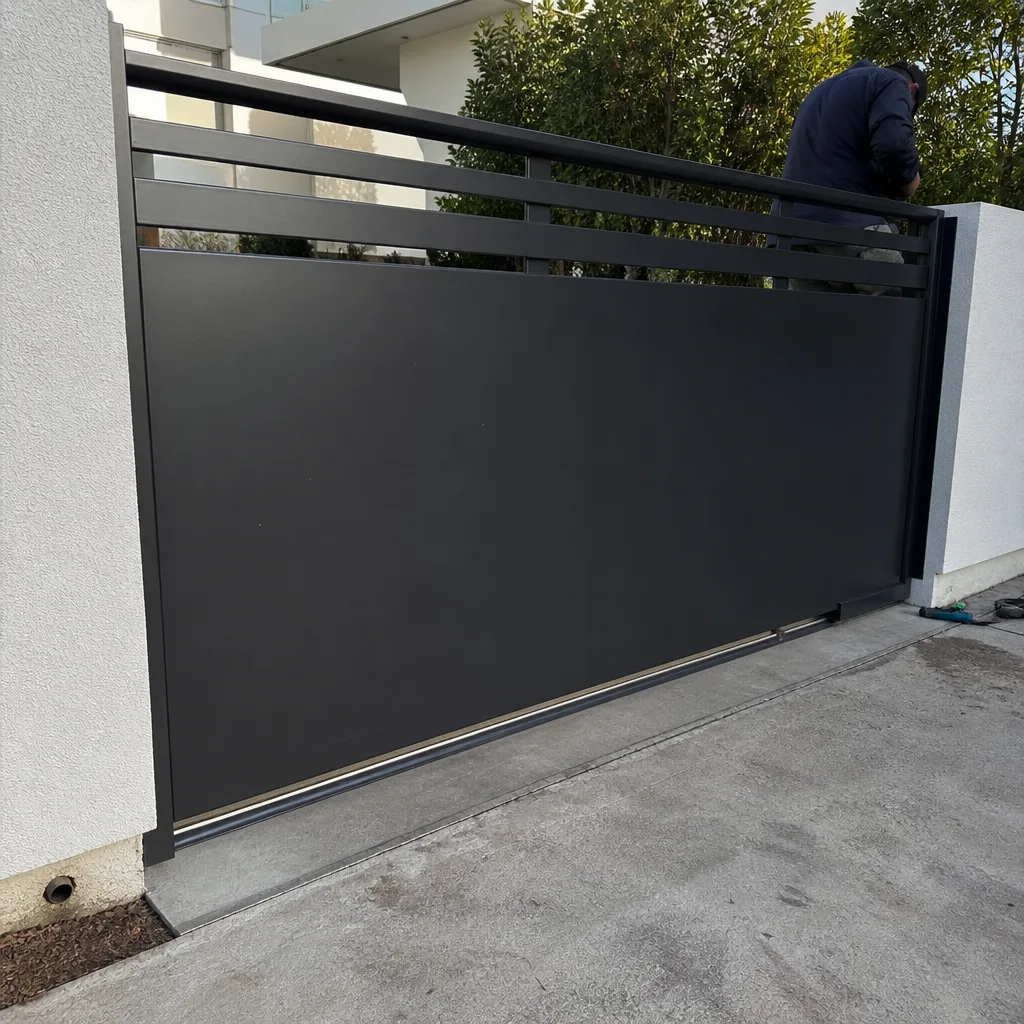 After
AfterGate Repair Permits, Codes & Inspections in CA: What You Need to Know
Here’s a counterintuitive fact for you: in California, you can repaint your gate any color you want without telling anyone, but replacing a worn-out operator arm on an automatic gate may technically require a permit. The reason is that California’s gate permitting triggers aren’t about how big the job looks on paper. They’re about what the job touches: structural posts, electrical wiring, or automated safety systems. Most homeowners in West Hollywood we talk to assume permits are only for new installations. That assumption has cost people real money at resale, in insurance disputes, and in one case we know of, a lawsuit after a gate closed on a delivery driver. This guide walks through what actually requires a permit in California, which repairs you can do without one, how UL 325 factors in, what HOAs add on top, and what happens when you sell a house with unpermitted gate work. For related reading, see our Gate Repair Warning Signs: A West Hollywood Homeowner’s Reference Guide. If you own an automatic gate, some of this will surprise you.
Quick Answer
Gate repair permits in California are required when the work touches structural elements like posts and footings, electrical wiring, or automated operator systems. Simple like-for-like part replacements (hinges, wheels, keypads, circuit boards) generally do not need a permit. However, in cities like West Hollywood, automated gate work must also comply with UL 325 safety standards, and many multi-family properties add an HOA approval layer on top of city requirements. When in doubt, check with your city’s building department before work begins, because unpermitted gate work becomes your liability at resale and in injury claims. If you need professional help, explore our Gate Repair services.
Table of Contents
- When a Gate Repair Needs a Permit in California
- Like-for-Like Replacement: What’s Exempt
- UL 325 Compliance: The Code Most Installers Skip
- West Hollywood Permit Specifics: What the City Actually Checks
- HOA Approval Layers in West Hollywood Condos and Planned Developments
- Resale, Title Insurance, and Unpermitted Gate Work
- How to Request a Retroactive Inspection (And What to Expect)
- Common Mistakes to Avoid
When a Gate Repair Needs a Permit in California
The California Building Code (CBC) doesn’t have a single chapter labeled “gates.” Instead, gate work falls under several sections depending on what’s being done. The trigger for a permit is rarely the gate itself. It’s the system around the gate: the posts holding it up, the wires powering it, or the operator moving it. Any time you’re pouring concrete for a new post, cutting into stucco or masonry to set a post, running new electrical conduit, or replacing an operator’s motor assembly, you’re likely in permit territory in most California cities.
Here’s the simplest way to think about it. There are three categories of gate work:
- Cosmetic work - repainting, replacing a picket, tightening bolts, lubricating hinges, adjusting a latch plate. No permit needed anywhere in California.
- Structural work - resetting a leaning post, replacing a rotted post, pouring new footings, re-welding a broken frame joint, changing the gate’s weight or size. Permit required in most cities, including West Hollywood.
- Electrical and automated work - installing or replacing an operator, adding a keypad or intercom, running power to a gate, adding loop detectors, changing safety edges or photo eyes. Permit required in nearly all California cities.
What frustrates homeowners is that the second and third categories cover a lot of what they’d call “repair.” A sagging gate usually means the hinge post has moved. Fixing that properly involves digging out the old post, setting a new one, and re-hanging the gate. That’s structural work. But if your gate sags and someone just welds a brace across the middle and calls it fixed, no permit was pulled because, well, the work was done wrong. The permit exists to make sure the post gets replaced, not band-aided. In our experience, the repair that should have required a permit is exactly the repair that keeps failing.
Like-for-Like Replacement: What’s Exempt
California building departments generally allow “like-for-like” replacements without a permit. That means swapping a worn part for a new part of the same size, type, and function. The key phrase is “same function.” If you replace a broken gate wheel with a new wheel, no permit. If you replace a bent hinge with a hinge of the same dimensions, no permit. If you replace a failed circuit board in your FAAC or Viking operator with an identical board, no permit.
Here’s where it gets murky in practice. In West Hollywood, the building department’s stance is that like-for-like applies to parts, not to systems. So:
- Replacing a keypad with the same model: no permit.
- Replacing a keypad with a newer model that has a camera and internet connectivity: technically, a permit, because you’ve changed the system’s function and possibly its power draw.
- Replacing a broken safety photo eye with the same eye: no permit.
- Adding photo eyes to an older gate that never had them: permit, because you’re modifying the operator’s safety circuit, which is governed by UL 325.
- Replacing a bent arm on a BFT or Linear swing operator: usually no permit, if it’s the same arm and the mounting points don’t change.
- Replacing an entire operator because the motor burned out: permit in most cases, because you’re dealing with line-voltage wiring and a new safety system that must be inspected.
The honest answer is that the line between “replacement” and “alteration” depends on your city’s interpretation. We’ve had West Hollywood inspectors tell us a gate operator swap is no big deal, then the same inspector require a full plan review a year later for a nearly identical job because the property had changed classification. The safest approach is to call your local building department and describe the work in plain English before you start. A five-minute phone call beats a stop-work order.
UL 325 Compliance: The Code Most Installers Skip
UL 325 is a safety standard from Underwriters Laboratories that governs automatic gate operators. It is not a suggestion, a warranty condition, or a marketing bullet point. It is a code requirement in California, incorporated by reference into the state’s building codes and enforced by local building departments. Every automatic gate operator installed or replaced in California must comply with UL 325. Period.
What UL 325 actually requires, in plain terms:
- Entrapment protection. The gate must reverse or stop when it encounters resistance or when something breaks a safety beam. This means either a contact sensor (safety edge) or a non-contact sensor (photo eye) or both, depending on the gate type and operator class.
- Class designation. Gates are Class I through IV, from residential single-family up to commercial and industrial. The operator’s class must match the gate’s use. Putting a Class I operator on a shared condo gate in West Hollywood is a code violation, full stop.
- Warning signage. Every automated gate needs visible warning signs posted at the gate’s travel area. It’s a simple requirement and it gets skipped constantly.
- Manual disconnect. The operator must have a way to disconnect and move the gate by hand in an emergency. Some older operators simply don’t have this, which means they can’t pass inspection.
- Gate travel limits and force settings. The operator’s open and close limits must be set so the gate stops where it should, and the force settings must be low enough to reverse before causing injury. This is not a “set it and forget it” thing. We’ve tested gates in West Hollywood where the force setting was so high the gate would have crushed a child’s bike before reversing.
What installers routinely skip: the warning signs, the force-setting test, and sometimes the photo eye on a gate where the hinge side creates a pinch point. All three are UL 325 violations. An inspector will catch them. So will a personal injury attorney. The 90-Day Done Right Promise we put on every job exists partly because we’ve been called to fix gates that passed a city inspection but failed UL 325 six months later when the safety edge wore out. The code isn’t optional because the stakes aren’t optional.
West Hollywood Permit Specifics: What the City Actually Checks
West Hollywood is its own incorporated city with its own building department on Santa Monica Boulevard. That means West Hollywood can be stricter than unincorporated Los Angeles County, and in some ways it is. The city is dense, with a mix of single-family homes in the flats, historic districts, and a large share of multi-family and condo buildings closer to the Sunset Strip and Santa Monica corridor. Dense multi-family housing means more automated gates in shared driveways and parking structures. That means more inspectors paying attention to gate systems than you’d find in a spread-out suburb.
For a typical gate repair permit in West Hollywood, here’s what the process looks like:
- Determine the permit type. Structural work usually falls under a building permit. Electrical and operator work falls under an electrical permit, which is often a sub-permit within a building permit. Some cosmetic repairs need nothing at all.
- Prepare a site plan or description. The city wants to know what the gate is, where it is on the property, what’s being repaired, and what materials are being used. For automated work, the operator’s UL 325 class and safety devices should be listed.
- Submit and pay. West Hollywood permits are submitted online through the city’s portal. Fees are based on the valuation of the work. A simple post reset might be a few hundred dollars in fees. A full operator replacement with new wiring can run higher.
- Schedule the inspection. For structural work, the inspector checks the post depth and footing before concrete is poured, then does a final inspection after the gate is hung. For automated work, the inspector checks the operator, safety devices, warning signs, and force settings.
- Pass and close the permit. Once the work is signed off, the permit is closed. You keep the documentation. You will want it at resale.
What West Hollywood inspectors actually check varies by inspector, like any city. In our experience, the things they’re most consistent about are post depth, footing size, UL 325 safety devices on automated gates, and visible warning signage. The things they sometimes skip, which you should not skip, are force-setting verification and the gate’s actual clearance at the hinge. That’s where a gate can look fixed and still pinch someone’s hand. A good installer tests for both whether or not the inspector asks.
HOA Approval Layers in West Hollywood Condos and Planned Developments
If you live in a single-family home in West Hollywood’s Norma Triangle or the West Hollywood West neighborhood, your permitting chain of command is simple: city building department, done. But if you live in a condo building, a planned development, or any property with shared walls or shared access, you have a second layer sitting on top of the city’s requirements: your HOA.
HOAs in West Hollywood’s condo corridors, especially the older courtyard buildings east of La Cienega and the newer developments near Santa Monica Boulevard, almost always have architectural review provisions that cover exterior elements, including gates. Here’s the thing homeowners learn the hard way: getting a city permit doesn’t satisfy an HOA, and getting HOA approval doesn’t satisfy the city. They’re separate processes with separate paperwork.
The practical flow for condo gate work in West Hollywood usually looks like this:
- Read your CC&Rs. The covenants, conditions, and restrictions document will say whether gate work needs architectural committee review. Some HOAs only require review for changes to appearance. Others require it for any work in shared areas. Most fall somewhere in between.
- Submit an architectural request. Describe the work, attach photos, and specify materials. If you’re replacing a gate with a similar gate, approval is usually straightforward. If you’re changing the gate’s height, color, or material, expect a longer review.
- Coordinate with the city. Your HOA approval and your city permit should happen in parallel. If you get the city permit first and the HOA rejects the design, you’re paying for a permit on work you can’t do.
- Schedule work around HOA access rules. Many West Hollywood condo buildings restrict construction work to certain hours. Gate repair on a shared driveway means the gate is out of service while work happens, which means residents are affected. Your HOA may require notice to residents before the gate goes down.
The most common mistake we see is a homeowner who gets city approval, does the work, and then gets a violation letter from the HOA because the new gate is a slightly different color than the old one. That’s not a hypothetical. That’s a Tuesday. Check the HOA layer before you spend a dollar.
Resale, Title Insurance, and Unpermitted Gate Work
Here’s the section that matters most to homeowners between 50 and 70, because it’s the section that comes up at the worst possible time: escrow. California is a seller-disclosure state. That means when you sell your home, you’re required to disclose known defects and unpermitted work. The standard Seller Property Questionnaire and the Transfer Disclosure Statement both ask about unpermitted additions or alterations. A gate operator installed without a permit is an alteration. If you know about it and don’t disclose it, you’ve opened yourself to post-sale liability.
What actually happens at resale when a gate operator was installed without a permit:
- Buyer’s inspection flags it. A decent home inspector will notice a newer operator and check for a permit. If there isn’t one, it goes in the report. The buyer’s agent will ask for it to be disclosed.
- Title insurance gets involved. Title insurance doesn’t cover unpermitted work directly, but the title company’s records search may reveal open permits or code violations attached to the property. An open permit means the city hasn’t signed off. You can’t sell cleanly with open permits in most cases.
- Lenders question it. If the gate serves as a safety feature for a pool enclosure or a required parking access, an unpermitted operator can become a lending condition. The underwriter may require retroactive permitting before the loan closes.
- Negotiations shift. A buyer who discovers unpermitted gate work can ask for a credit, a price reduction, or seller-completed permitting. In a slow market, that’s leverage. In a fast market, some buyers waive it. You don’t want to bank on the market staying fast.
We’ve seen sellers in West Hollywood lose three or four weeks of escrow time over a gate operator that cost $1,500 to install and $600 to permit retroactively. The permit would have been the cheap part of the job, done the right way the first time. If you’re not sure whether your gate work was permitted, now is the time to find out, not when a buyer’s inspector is standing in your driveway with a clipboard.
How to Request a Retroactive Inspection (And What to Expect)
If you already have gate work on your property that was done without a permit, the situation is fixable. The process is called retroactive permitting or “permit after the fact.” Every California city handles it, including West Hollywood, and the process is more common than most homeowners think. Cities would rather have the work inspected and brought into compliance than leave it undocumented indefinitely.
Here’s the step-by-step for retroactive gate permitting in West Hollywood:
- Call the building department. Explain the situation honestly. Tell them what work was done, when, and that it was done without a permit. Do not try to hide the timing. Inspectors can tell a two-year-old operator from a two-month-old one.
- Expect a fee, possibly doubled. Most cities charge a penalty for unpermitted work, often two to three times the original permit fee. It’s not punitive in the criminal sense, but it’s not free, and it’s still cheaper than a failed sale.
- Prepare for a full inspection. If the work is accessible, the inspector will check it as if it were new. Structural posts get checked for depth and condition where visible. Automated operators get checked for UL 325 compliance, signage, and force settings. If your gate doesn’t pass, you’ll be given a correction list.
- Correct what’s flagged. This is where things can get expensive. If the original work was done badly, the correction list might include resetting a post, adding safety devices, or replacing an operator that can’t be made compliant. You’re not just paying for the retroactive permit. You’re paying to bring the work up to code.
- Get final sign-off. Once the corrections are done and the inspector signs off, the work is permitted and documented. You’ll have a record to show at resale. That’s the whole point.
A couple of honest things about retroactive inspections. First, they take time. Budget a few weeks from first call to final sign-off in West Hollywood, longer if corrections are required. Second, they can open a can of worms. If the inspector finds other unpermitted work while on site, that work may get flagged too. That’s not a reason to avoid the process. It’s a reason to know what you’re getting into. In our experience, homeowners who voluntarily bring work into compliance are treated fairly. The building department’s job is safety, not punishment.
We get asked to do this kind of work regularly in West Hollywood, usually when a homeowner is preparing to list. We’ll come out, assess the gate, tell you honestly what will pass and what won’t, and handle the corrections and the inspection coordination. You don’t have to become a permit expert overnight. You just need someone who’s been through the process enough times to know what the inspector will look at.
Common Mistakes to Avoid
- Assuming all repairs are exempt. The most expensive mistake is assuming “repair” means no permit. Structural post work and automated operator work require permits in most California cities. A repair that resets a post without a permit is no different in the city’s eyes than an unpermitted new installation.
- Using a contractor who says permits are “not needed for something this small.” That’s often code for “I don’t want to wait for inspection” or “I’m not sure my work will pass.” Get the determination from the city, not from the person trying to close the sale.
- Skipping UL 325 safety devices on a replacement operator. If your old gate didn’t have photo eyes but you’re putting on a new operator, the new one almost certainly needs them. Skipping the safety devices to save a few hundred dollars is how you end up with a gate that fails inspection and hurts someone.
- Ignoring the HOA layer in a condo or planned development. City approval and HOA approval are two different things. Doing one without the other means redoing work or fighting a violation letter.
- Setting the operator’s force too high so it “won’t stall.” That’s the logic a lot of handymen use, and it’s exactly backwards. UL 325 exists to keep gates from crushing people. A gate that overpowers obstacles is a liability lawsuit waiting to happen.
- Not keeping permit documentation. If you have a permit for your gate work, keep it. If you don’t, know where you stand. “I can’t find it” is a bad answer at escrow.
- Waiting until you’re selling the house to deal with it. Retroactive permitting takes time. If you know your gate work was unpermitted, start the process now, while you have the luxury of a few weeks, rather than during escrow when every day costs money.
When to Call a Professional
Any time your gate touches a post, a wire, or an operator, you’re in territory where a licensed, experienced professional saves you from yourself. Structural post work requires digging, concrete, and proper depth, and done wrong, the gate sags again within a year. Electrical and operator work involves line voltage and UL 325 safety systems, and done wrong, the gate can hurt someone. There’s also the permit layer: the right person knows what to pull, when to pull it, and what the inspector in your city actually checks. If you’re in West Hollywood and not sure whether your repair needs a permit, call and ask. Gatewood Fence & Gate offers free estimates in West Hollywood. Call (323) 677-4063 and we’ll tell you straight what you’re dealing with, including whether the work needs a permit and what it’ll take to pass inspection the first time.
Frequently Asked Questions
Yes, in most cases. Repairs that touch the operator, electrical wiring, or safety devices require an electrical permit in nearly all California cities, including West Hollywood. Basic part swaps like a new keypad or a replacement circuit board of the same model are usually exempt, but anything that changes the operator’s function or safety system needs a permit. Call (323) 677-4063 if you want a straight answer on your specific situation.
Permit fees are based on the project’s valuation, so a simple post reset might cost a few hundred dollars while a full operator replacement with new electrical runs higher. The exact number depends on the work’s scope, and the city’s fee schedule changes from time to time. The permit is almost always the cheapest part of the job compared to the cost of fixing unpermitted work at resale. Contact us for a free assessment and we’ll help you figure out the real cost.
UL 325 is a national safety standard that governs automatic gate operators, and California building codes require all gate operators to comply with it. It sets requirements for entrapment protection devices like photo eyes and safety edges, operator force settings, warning signage, and manual disconnect mechanisms. A gate that doesn’t meet UL 325 can fail inspection and, more importantly, can injure someone. Any operator we install or replace in West Hollywood meets UL 325 as a baseline, not an upgrade.
Unpermitted gate work must be disclosed on California’s seller disclosure forms, and a buyer’s inspector will often flag it if you don’t. The disclosure creates a bargaining chip for the buyer, and an open permit can stall your escrow entirely. If the work involved an automated gate with safety implications, lenders may require retroactive permitting before closing. It’s far cheaper and less stressful to resolve it before you list.
If you live in a condo building or a planned development in West Hollywood, your HOA likely has architectural review provisions that apply to gate work, especially changes to the gate’s appearance or work in shared areas like driveways and parking structures. HOA approval is separate from city permitting, and you need both. Check your CC&Rs before you start any gate work in a multi-family property.
Yes. The process is called retroactive permitting, and every California city, including West Hollywood, allows it. Expect to pay a penalty fee and then have the work inspected as if it were new. If it doesn’t meet current code, you’ll need to make corrections before the inspector signs off. It takes time, but it gives you the documentation you need for resale and liability protection. We handle retroactive permitting for gate work in West Hollywood regularly, and we’re happy to walk you through what to expect.
The Bottom Line
California gate permits are confusing because the trigger isn’t the size of the job, it’s the type of system being touched. Structural posts, electrical wiring, and automated operators all require permits in most cities, including West Hollywood. Like-for-like part swaps usually don’t. UL 325 safety compliance is a code requirement for every automated gate, and HOAs add another approval layer in multi-family properties. The consequence for getting it wrong shows up at resale, in insurance claims, and in worst-case injury lawsuits. The cheapest time to deal with a permit is before the work, and the second cheapest is now. Browse more guides & resources on gate maintenance and compliance. If you’re not sure where your gate stands, call (323) 677-4063 and we’ll help you figure it out.
Written by Hal Gatewood, Owner at Gatewood Fence & Gate, serving West Hollywood since 2001.